
Whoa, this surprised me. So I was thinking about hardware wallets and smart cards lately. My first impression was practical and a little skeptical, at least initially. Something felt off about mobile-only custody options when scale and human error collide. Initially I thought a single app would solve most user friction, but then I realized that physical form factors like a smart card change user habits, threat models, and recovery stories in ways that an app alone can’t fully address.
Seriously, it’s different. The smart-card idea seems small and low-friction on the surface. You tap, you sign, you store keys offline with physical proximity as a guardrail. On one hand that’s elegant because it reduces the attack surface exposed to malware, though actually there are subtleties like card cloning risks, supply-chain trust, and user behavior that complicate the story. On the other hand, the convenience trade-offs—how you back up, who holds the spare, how you update firmware—matter more as holdings grow and as regulations creep into custody solutions.
Whoa, here’s the rub. Mobile apps are ubiquitous, and people love familiarity and speed. My instinct said they’d accept a tiny plastic or metal card only if it felt like their credit card, truthfully. Hmm… I’m biased, but consumer mental models for money are sticky and slow to change. So the product design challenge becomes: make it feel invisible when it works, and obvious when it doesn’t, because users won’t tolerate mysterious hardware extra steps unless the benefits are clear.
Really, it’s about trust. In practice people trust things they can touch and lose, oddly enough. People carry physical tokens and they assign them emotional and behavioral habits—wallets, keys, ID cards—so a smart-card form factor leverages those ingrained practices. Here’s what bugs me about some solutions though: they assume technical fluency that the average user simply doesn’t have, and they assume people will perform correct backups and store seeds in fireproof safes. They won’t. Not always. Somethin’ gets forgotten; people curse themselves later.
Whoa, small detail matter. Multi-factor realities are messy; you want layered defenses that tolerate mistakes. The best designs combine an offline private key store with an approachable recovery path that doesn’t require memorizing 24 seed words. I’m not 100% sure of every approach, but backup strategies that mix a smart-card with encrypted cloud shards or custodial-recovery options can reduce catastrophic risk while preserving self-custody. There’s nuance—trade-offs in complexity, privacy, and legal exposure—so no single answer fits everyone, though there are smart compromises.
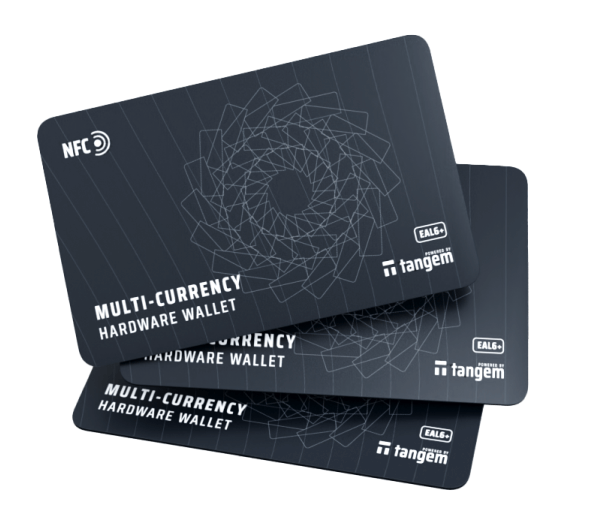
Where mobile apps and smart cards meet
Whoa, this clicks for me. Mobile apps bring UX and connectivity to the table, and the card brings a hardened key store and physical presence to the handshake. If you pair a thoughtful app with a resilient card, users get the immediacy of on‑phone signing plus the offline protection that blocks remote thieves, which is why some people reach for a tangem wallet and a companion app in the same breath. That architecture forces developers to think in layers: presentation, transaction validation, and a final detached signing act that the card authorizes, which reduces systemic risk if the phone is compromised.
Seriously, the UX must be forgiving. People tap, they expect things to work. If the flow breaks because of firmware mismatch or a weird error code, they’ll drop the product instantly. So reliability, clear messaging, and simple recovery are non-negotiable. I’m honest here: I want products that assume users will make mistakes and then bake protections in. This design philosophy often leads to simpler support cases and fewer “I lost everything” emails at 2 AM.
Whoa, supply chains are messy. Even the best cards are hardware, and hardware must be manufactured and shipped, which introduces trust assumptions. Initially I thought that certification and audits would solve the whole trust problem, but then I realized that audits are snapshots in time and they don’t prevent compromised manufacturing runs or bad logistics. So practical security includes provenance tracking, tamper-evident packaging, and transparent firmware signing, especially when a product is marketed directly to everyday users rather than enterprise clients.
Really, governance creeps in. As regulators notice more value stored on consumer devices, compliance burdens will shape how devices operate and who can buy them. On one hand that can improve standards; though actually it can also push certain schemes toward custodial models that feel safe but remove user control. I’m not thrilled about that shift. I prefer hybrid models where self-custody remains viable, but policies will matter and product teams should design for legal variability across states and countries.
Whoa, education is underrated. I meet tech-savvy folks who still misunderstand multisig, hardware attestation, or the difference between seed phrase custody and device-based keys. Education can’t be a checkbox or a thirty-page manual; it needs just-in-time micro-guides and visual cues inside the mobile app that reduce errors. Ok, so check this out—small onboarding flows that include contextual warnings and short simulations prevent many painful recovery disasters, and those tiny improvements scale across thousands of users.
Common questions from people switching to smart-card custody
How secure is a smart-card compared to a typical hardware wallet?
Whoa, the honest answer is nuanced. Smart-cards use secure elements that resist tampering and side-channel attacks, so in many practical scenarios they’re as robust as larger hardware wallets. The attack surface is different though—cards minimize exposed interfaces but introduce physical risks like loss or theft that you must plan for. Initially I thought cards were a drop-in replacement, but then I realized that recovery workflows and firmware ecosystems vary, so you should evaluate the whole product, not just the chip inside.
What happens if I lose the card?
Seriously, this is the crux for many people. Losing a card without a tested recovery plan can be catastrophic, though good solutions provide layered recovery like encrypted backup shards, recovery cards, or optional custodial help. I’ll be honest: I prefer approaches where you can reconstruct access in a privacy-preserving way without handing your keys to a third party, but I’m not dogmatic—different people accept different risks. Practice your recovery method once; do it aloud with someone you trust or in a safe simulation so you won’t panic later.
Is this approachable for non-technical users?
Whoa, yes and no. If designers intentionally map the card to familiar metaphors—like “your card is your pocket vault”—and hide cryptic jargon, non-technical people can adopt it. On the flip side, poor onboarding and opaque error messages will turn even curious adopters away quickly, and that part bugs me. User testing is everything; designers should watch real people use the device in real contexts, like at cafes, airports, or while traveling, because those are the places users will actually need their keys to behave reliably.